
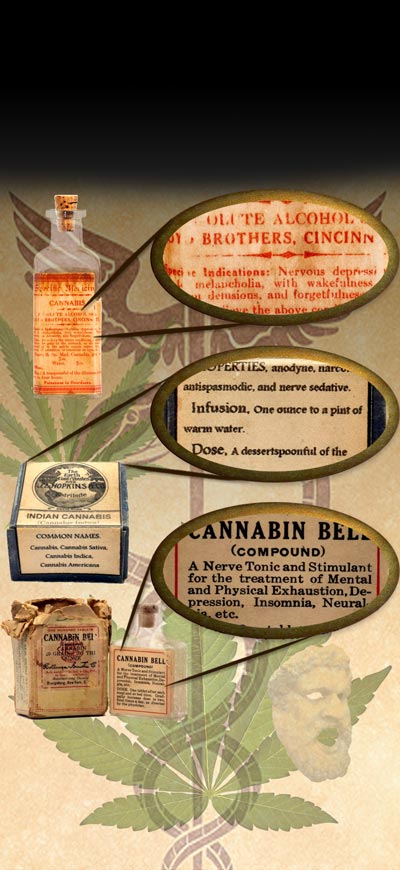


In wise hands poison is medicine.
In foolish hands medicine is poison.
– Casanova
By David Malmo-Levine
Parents have been getting a lot of misinformation about cannabis. Here are some questions you may hear from parents along with some simple facts and easy-to-find references that even your folks can understand, as long as they have an open mind. Google the online version of this article if you want links to the sources of the information.
1) What are the effects of using cannabis?
The effects of using cannabis are many and varied, due to the many different non-toxic medicines that are found in cannabis. These medicines are called “cannabinoids” (THC is the most famous but there are over 100 of them) and “terpenes” (these are volatile oils – plant essences that smell – that each have different medicinal effects – there are over 200 of them) and they are found in different ratios in different strains of cannabis.
The many ways cannabis can be ingested also has an influence on what effects are experienced. The high from eating cannabis in cookies takes longer to take effect, is more difficult to control the dose of, and lasts longer than the effects of smoking or vaporizing it. It is recommended that first time users smoke it one puff at a time, waiting five minutes to see what takes place and if there is an allergic reaction. If one is eating it for the first time, half the recommended dose is suggested, in order to get used to the effects and accurately measure the dose of that particular batch of cookies for one’s self. Gradually increase the dose each occasion until the desired effects are reached. The diet, sleeping patterns, other drug use, size and experience of the user also has an influence on the effect.
The most common effects are to feel happy, hungry, relaxed, inspired and focused – but these effects are only typical of regular users. Novice users – or users who use immoderately – can feel anxious, confused, paranoid, or faint, but after sitting down in a safe place and drinking some fruit juice, these feelings will go away in a while. Nobody has ever died of a cannabis overdose.
Sometimes users feel “time-slowdown” and report that a minute feels like an hour. When one is used to this effect it can help with performance enhancement for activities you are familiar with. Cannabis should only be used for high-pleasure, low-pressure activities, and should not be used before anything difficult, unpleasant or any high-pressure activity the user is unfamiliar with, such as operating heavy machinery.
Cannabis has a wide variety of medicinal effects – too many to list here – but the information about it’s medicinal uses is well documented, and available on the internet or in books such as “The Pot Book” edited by Julie Holland, or “Marijuana Medicine” by Christian Ratsch.
With millions of stressed-out teens smoking pot, some parents are apt to attribute their children’s problems to marijuana’s malevolent influence. The adult temptation to blame the weed is reinforced by public officials who continually inflate the dangers and deny the benefits of cannabis. But U.S. authorities have long since forfeited any claim to credibility with respect to marijuana.
– Smoke Signals, Martin A. Lee, 2012
2) Does it harm the developing minds of young people?
The short answer is that there’s no evidence that it does. There was a study by Macleod et al. (2004) and published in the Lancet that proved that schizophrenia rates have not risen alongside cannabis use rates between 1970 and 2001. Similarly, I.Q. rates have not dropped during that time – in fact they are slowly going up.

3) Does smoking it cause cancer?
Again, the short answer is that there’s no evidence that it does. Dr. Donald Tashkin – the leading lung cancer researcher in the United States – has been unable to find a case of lung cancer caused by marijuana smoking only.
4) Is the medical community against the use of it?
Some, but not all, of the medical community is against cannabis use. According to a Global News article dated September 29th, 2013, the current number of medical cannabis users approved by Health Canada is 37,359, up from 477 in 2002. Each one of those users had a doctor or similarly educated healthcare practitioner evaluate their use. Health Canada predicts there will be up to 450,000 approved medical cannabis users.
As of Nov. 20, 2013, Health Canada statistics show there were 2,418 Ontario physicians “supporting active authorizations to possess marijuana for medical purposes.” The growth of the cannabis industry in Canada has been mirrored by the growth of herbal medicine in general.
5) Aren’t the drugs that are scientifically tested by pharmaceutical companies safer than cannabis?
No. Synthetic drugs must undergo hundreds of millions of dollars worth of safety and efficacy tests in order to be approved, and yet are still sometimes taken off the market despite passing the testing process. Cannabis has been shown to be safer than most if not all anti-depressants, relaxants, and pain killers.
6) Will smoking cannabis in your youth make you lazy and unmotivated?
Not if you smoke it like Bob Marley, Paul Simon and Barak Obama did when they were young. These teen pot smokers never let it get in the way of their life goals when they became adults. If you are an unfocused individual, then avoiding marijuana won’t make you focus, and if you’re a focused individual, then the occasional proper use of any recreational or medicinal herb or drug will not distract from that focus. If your cannabis use does not interfere with your life goals, you’re not overdoing it.
 Future president Barack Obama with his teenage friends in the Choom Gang.